Filing California's Private School Affidavit, Step by Step: Dates, Questions and What It Doesn't Do
By My Learning Source · October 29, 2026 · Guides, Tips
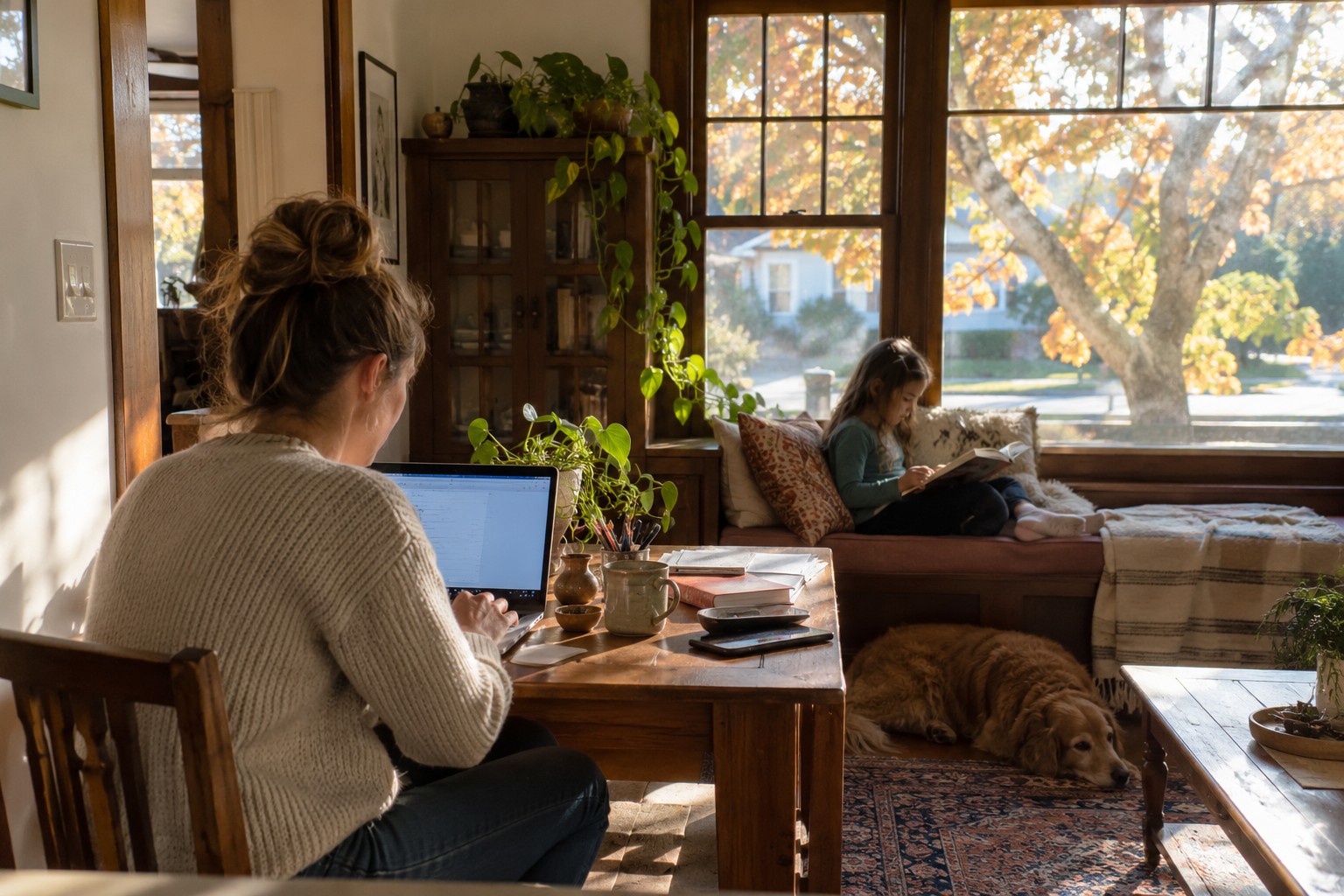
If you are homeschooling in California through a home-based private school, the Private School Affidavit is the one form that matters. It is short, it is online, and it is filed every year. It is also widely misunderstood. It does not ask permission, nobody approves it, and filing it does not make your school accredited or licensed. Here is how it works, start to finish.

For how the affidavit compares with the other routes, see our California homeschool options guide.
What the affidavit is
Education Code 33190 requires every person or organization offering or conducting private school instruction at the elementary or high school level to file an affidavit or statement with the Superintendent of Public Instruction each year, under penalty of perjury. CDE's Private School Affidavit information page says that includes parents who operate a private home school. CDE's PSA FAQ calls the affidavit, also known as the R-4 form, a registration document only.
For a parent, the affidavit is step one of a two-step exemption. Step two belongs to the school district. Under Education Code 48222, the exemption is valid only after the district's attendance supervisor, or another person the board designates, verifies that the school complied with Section 33190.
When to file
- Legal filing period: October 1 through 15 each year. The 2026 period closed on October 15, 2026.
- Online system: open from August 1 to June 30, so new schools and new homeschools can file mid-year. If you start homeschooling now, you can still file for the 2026-27 school year.
- July starts: CDE says schools established in July wait until the filing system opens in August.
- Every year: the affidavit is annual. Filing once does not carry over.
What the form asks
The statute lists the information the affidavit covers. In plain terms:
- The name of your school, real or fictitious. Many families choose a simple name for their home school.
- The address of every place the school does business in California.
- Where the school's records are kept and who the custodian of records is.
- The names and addresses of any directors and principal officers.
- Enrollment by grade, the number of teachers, whether the school is coeducational, and whether it has boarding facilities.
- A statement that required records are kept at the stated address and are true and accurate.
- A statement about criminal record summaries under Education Code 44237. CDE's code summary notes that the private school fingerprinting rule does not apply to a parent working only with their own children.
Step by step
- 1. Read the rules. CDE's Education Code for Private Schools page collects the sections that apply, including 33190, 48222, 51210 and 51220.
- 2. File online. Use CDE's online PSA filing system. You get an instant confirmation email.
- 3. Save the confirmation. It includes a link to edit your affidavit. The system also has a retrieve and update feature for the current year. CDE says you can't change a previous, closed year's affidavit.
- 4. Withdraw from public school if your child is enrolled. CDE's Schooling at Home FAQ lists withdrawal as a step and says districts verify filings, which typically means giving the district or school a copy of your affidavit.
- 5. Set up your records. Keep the attendance register, courses of study and teacher information from day one.
If you can't file online, the statute allows a statement in lieu of the affidavit. CDE says it must include every element Section 33190 requires and follows the same filing period. It is meant mainly for people without online access.
Records the law expects you to keep
- An attendance register that clearly shows every absence of a half day or more on each day school is held (EC 48222).
- The courses of study offered.
- The names and addresses of the faculty, with a record of each teacher's educational qualifications.
- CDE also recommends keeping copies of every affidavit you file and individual student records.
What the affidavit does not do
The statute makes it unlawful for a school to claim, directly or by implication, that the state, CDE or any accrediting agency has evaluated, recognized, approved or endorsed it unless that is actually true. CDE adds that filing does not mean the state has granted a license to operate a school, and that it does not verify the information you submit. Don't describe your home school as state-approved on a transcript or website.
Privacy
The affidavit is a public record. CDE says it only publishes directories and data files for private schools with six or more students. Data for schools with fewer than six students is released only under a public records request, and CDE redacts the address when it does. Schools with five or fewer students also don't get a CDS tracking code.
A family filing late
The Delgados in Riverside pulled their fourth grader out of public school in mid-October after a rough start to the year. They had missed the October 1 to 15 window by a few days. They filed through CDE's online system, which stays open until June 30, saved the confirmation email, and brought a printed copy to the school office when they withdrew. They started an attendance register that week and a simple folder with the courses they planned for the year. Next year the filing date goes on their calendar in September.
(A composite example — names and details are illustrative, drawn from situations homeschool families commonly describe.)
Common mistakes
- Assuming one filing covers future years. It does not.
- Waiting for approval. None is coming. The confirmation email is what you get.
- Not withdrawing from the public school or not giving the district a copy when asked, which leaves the absence unexplained.
- Skipping the attendance register because nobody asks for it.
- Filing an affidavit while also enrolled in a charter independent study program. A child can't be a private school student and a charter student for the same year.
Checklist
- Put the October 1 to 15 filing period on your education calendar.
- File online, save the confirmation email and print a copy.
- Withdraw from public school if needed and give the district a copy if asked.
- Start the attendance register and course list now.
- Find curriculum and classes in our vendor directory.
My Learning Source is an independent marketplace and is not affiliated with the California Department of Education, any school district or any county office of education. Laws, school policies and filing systems change — confirm details with the California Department of Education, your school district or your charter school before you act. Family examples are composites, not real individuals.